Adding a deck to your home can be one of the most rewarding outdoor improvement projects you can undertake. A well-designed deck can create additional living space, provide a comfortable area for entertaining, improve the functionality of a backyard, and potentially add value to the property. However, achieving those benefits depends heavily on choosing the right Deck Builders Lexington KY. A deck may look simple when viewed as a finished structure, but its construction involves careful planning, accurate measurements, material selection, structural considerations, proper installation techniques, and attention to safety. Choosing a qualified and dependable professional can make the difference between a deck that remains attractive and functional for years and one that develops expensive problems soon after construction.
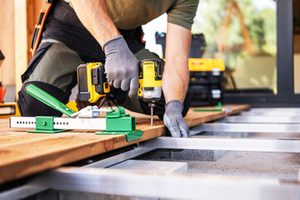
Finding the right deck contractor should therefore involve more than selecting the first company that offers a reasonable price. Homeowners should evaluate experience, workmanship, communication, materials, project planning, warranties, and overall professionalism before making a decision. A thoughtful selection process can help reduce construction delays, unexpected expenses, poor workmanship, and disagreements during the project. Whether the goal is a small platform for outdoor seating or a large multi-level deck designed for entertaining, the contractor responsible for the project should have the skills and resources necessary to turn the design into a safe and durable finished structure.
Start by Defining Your Deck Project
Before contacting deck builders, it helps to have a general idea of what you want to accomplish. You do not necessarily need a complete architectural drawing, but understanding the purpose of the deck can make conversations with contractors much more productive. Consider whether the deck will primarily be used for outdoor dining, relaxing, entertaining guests, accessing another part of the property, or creating a combination of outdoor living areas. The intended use can influence the size, layout, railing configuration, stairs, materials, lighting, and other design details.
The location of the deck also matters. A structure connected directly to the home may have different requirements from a freestanding deck elsewhere on the property. You should also think about how the proposed deck will interact with existing doors, windows, landscaping, drainage, walkways, and other structures. Having these considerations in mind gives a deck builder a better understanding of your expectations and allows them to provide more useful recommendations.
Look for Relevant Experience
Experience is one of the most important factors when learning how to choose the right deck builder. A contractor who regularly builds decks is more likely to understand the practical challenges associated with these projects than someone who only occasionally performs outdoor construction. Deck building requires knowledge of structural framing, fastening systems, foundations, stairs, railings, drainage, material behavior, and exterior durability.
It can also be helpful to ask how long the builder has been performing this type of work and what kinds of deck projects they typically complete. Experience with projects similar to yours can be particularly valuable. If you want a multi-level deck with stairs and integrated features, for example, you may benefit from choosing a builder who has demonstrated experience with comparable designs rather than someone whose work primarily consists of simple platforms.
A contractor’s experience should not be judged solely by the number of years they have been operating. Quality of workmanship, attention to detail, communication, and the ability to manage projects effectively are equally important. A builder who has extensive experience but does not communicate clearly or provide reliable scheduling may still create unnecessary frustration.
Review Previous Deck Projects
Looking at examples of previous work can provide useful insight into a deck builder’s capabilities. Photographs can help you evaluate overall design, construction quality, material choices, railing details, stairs, finishing, and attention to small architectural elements. When possible, look for projects that resemble the style and complexity of the deck you are considering.
A portfolio can also demonstrate whether a contractor is comfortable with different materials and design approaches. Some builders specialize in traditional wood decks, while others have extensive experience with composite or other low-maintenance materials. The right choice depends on your preferences, budget, maintenance expectations, and the environment in which the deck will be installed.
Do not focus exclusively on appearance. A deck can look attractive in photographs while still having underlying construction issues. Ask questions about how the projects were designed and built, particularly when you see features that you would like incorporated into your own deck.
Verify Licensing and Insurance
Before hiring a deck builder, homeowners should verify that the contractor has the appropriate credentials and insurance required for the work. Construction requirements can vary depending on the project and local regulations, so it is important to understand what applies to your particular deck.
Insurance is particularly important because construction involves potential risks to workers, property, and third parties. Appropriate coverage can help protect homeowners from certain liabilities associated with accidents or property damage during construction.
Do not hesitate to ask a contractor about their licensing, insurance, and other relevant qualifications. A reputable professional should be comfortable providing clear information rather than becoming evasive when asked reasonable questions about credentials.
Ask for a Detailed Estimate
Price is naturally an important consideration, but homeowners should avoid choosing a deck builder based solely on the lowest estimate. Two contractors may provide significantly different prices because they are proposing different materials, construction methods, design features, labor requirements, or project scopes.
A detailed estimate should explain what is included in the project and identify high costs. Depending on the deck, this may include design, demolition, site preparation, structural framing, decking materials, railings, stairs, finishes, labor, cleanup, and other necessary work.
When comparing estimates, consider these factors:
- Scope of work: Make sure you understand exactly what each contractor is offering and whether important components have been excluded.
- Materials and specifications: Compare the proposed decking, framing, railing systems, fasteners, finishes, and other materials rather than comparing the final price alone.
An unusually low estimate may appear attractive initially but could become more expensive if important work was omitted or if lower-quality materials were used. A reasonable estimate should provide enough detail for you to understand what you are paying for.
Discuss Decking Materials
The material used for the deck will influence its appearance, maintenance requirements, durability, and long-term cost. Traditional wood remains popular because of its natural appearance and versatility, while composite and other manufactured decking products may appeal to homeowners seeking reduced maintenance.
There is no universally perfect decking material. The best option depends on how you plan to use the deck, how much maintenance you are willing to perform, the desired appearance, and the expected service life of the materials.
A knowledgeable deck builder should be able to explain the advantages and limitations of different options rather than pushing a single material without considering your needs. Ask about cleaning, staining, sealing, fading, moisture resistance, durability, and expected maintenance so you can make an informed decision.
Pay Attention to Communication
Good communication is often an overlooked factor when choosing a deck contractor. Even an excellent builder can create a frustrating experience if they are difficult to contact, fail to provide updates, or do not clearly explain changes to the project.
During the initial consultation, pay attention to how the contractor listens to your ideas and responds to questions. Do they explain technical issues in a way that makes sense? Do they ask questions about how you intend to use the deck? Are they willing to discuss alternative materials or layouts? These interactions can provide valuable insight into how they may communicate once construction begins.
Clear communication should continue throughout the project. Homeowners should know what work is scheduled, what decisions need to be made, whether unexpected conditions have been discovered, and whether the timeline or budget needs to change.
Understand the Project Timeline
Deck construction involves more than assembling boards and framing. Site preparation, material delivery, foundation work, inspections, weather conditions, construction, finishing, and cleanup can all influence the schedule. A professional deck builder should be able to provide a realistic estimate of how long the project may take.
Ask about the expected start date, approximate completion period, material availability, and factors that could cause delays. While no contractor can control every variable, clear communication about potential scheduling issues can help homeowners plan appropriately.
Be cautious of contractors who promise an unrealistically fast completion simply to secure the project. Quality deck construction requires adequate time for proper preparation and installation, and rushing important stages can compromise the final result.
Ask About Permits and Building Requirements
Depending on the design and location of the deck, permits and inspections may be required. These requirements can vary according to the size, height, structural design, attachment to the home, and other factors. A knowledgeable deck builder should understand that permitting and code compliance are important parts of responsible construction.
Ask the contractor who will be responsible for determining permit requirements and coordinating inspections. This should be discussed before construction begins rather than discovered after work is underway.
Building requirements exist for important reasons, particularly when a deck is elevated or attached to a structure. Proper foundations, structural connections, stairs, railings, and other components need to be constructed appropriately to support safe use.
Evaluate Workmanship and Attention to Detail
Quality workmanship is what ultimately determines how a deck performs over time. Look closely at details such as board alignment, fastener placement, corners, transitions, stairs, railing connections, framing, and finishing. Small construction details can have a significant effect on both appearance and durability.
A professional deck builder should take pride in precision rather than treating the project as a basic installation. Straight lines, consistent spacing, secure connections, clean edges, and properly finished surfaces contribute to a deck that looks intentional and professionally constructed.
It is also worth asking about the construction methods used for areas that will not be visible once the deck is completed. The quality of the underlying framing and connections is just as important as the appearance of the finished decking.
Read Reviews and Ask for References
Customer feedback can provide additional insight into a deck builder’s reliability, communication, workmanship, and ability to complete projects as promised. Look for patterns rather than focusing on one exceptionally positive or negative review.
If references are available, speaking with previous customers can be particularly useful. Ask about whether the project was completed on schedule, whether the final cost matched expectations, how the builder handled changes, and whether problems were addressed promptly.
A contractor who consistently receives positive feedback for both workmanship and professionalism is generally more reassuring than one whose reviews are inconsistent or difficult to verify.
Understand the Warranty
Before signing a contract, ask what warranties are provided for workmanship and materials. Different decking products may have their own manufacturer warranties, while contractors may offer separate guarantees covering installation.
Make sure you understand what the warranty covers, how long it lasts, and what responsibilities the homeowner has for maintenance. A clear warranty can provide additional confidence and demonstrate that the builder stands behind the quality of their work.
A warranty should not be the only reason you choose a contractor, but it is an important part of evaluating the overall value of a proposal.
Do Not Ignore Professionalism
The way a contractor handles the initial stages of the project can tell you a great deal about what to expect later. Professionalism includes arriving as promised, communicating clearly, providing written information, answering questions, maintaining an organized process, and respecting the property.
Homeowners should be cautious if a contractor pressures them to make an immediate decision, refuses to provide a detailed agreement, demands unusual payment arrangements, or gives vague answers about important aspects of the project. A professional relationship should be based on transparency and mutual understanding.
Choosing the Right Deck Builder With Confidence
Learning how to choose the right deck builder requires looking beyond price. The best contractor for your project should have relevant experience, strong workmanship, appropriate credentials, reliable communication, suitable materials, realistic scheduling, and a clear understanding of structural and safety requirements.
Take time to compare contractors and ask meaningful questions before signing an agreement. Review their previous work, examine estimates carefully, discuss materials, confirm project responsibilities, and make sure expectations are documented. This preparation can help prevent misunderstandings and give you greater confidence throughout construction.
A deck is a long-term investment in your home and outdoor lifestyle, so the person building it matters just as much as the materials used to construct it. Choosing a qualified and dependable deck builder can help turn your ideas into a safe, attractive, and durable outdoor living space. With careful research and thoughtful planning, you can approach your deck project with realistic expectations and enjoy the finished space for many years to come.
