A pest control service is often viewed as something homeowners call only after an infestation becomes impossible to ignore. In reality, effective pest management is less about reacting to visible insects or rodents and more about understanding why pests are attracted to a property in the first place. Homes naturally provide many of the conditions pests need to survive, including food, moisture, warmth, shelter, and hidden spaces where they can reproduce undisturbed. When these conditions exist together, even a clean and well-maintained property can experience pest activity. The difference between a temporary solution and long-term protection often comes down to how thoroughly the underlying conditions are addressed. Check out https://www.rodentretreattexas.com/roof-rat-removal-texas for more details.
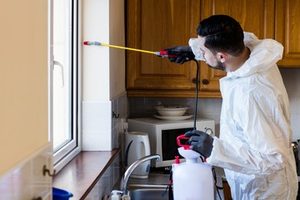
Modern pest control is increasingly focused on prevention, inspection, and targeted treatment rather than simply applying products whenever pests appear. A professional pest control service can help identify vulnerable areas around a property, determine the type and severity of pest activity, and develop a treatment strategy based on the specific circumstances. This approach is particularly valuable because different pests behave differently, occupy different areas, and respond to different control methods. A strategy that works for crawling insects may not be appropriate for rodents, wood-damaging pests, or flying insects. Understanding those differences allows homeowners to approach pest management as an ongoing part of property care rather than an emergency expense.
Why Pest Problems Can Develop Even in Clean Homes
One of the biggest misconceptions about pest infestations is that they are always caused by poor housekeeping. While sanitation plays an important role in pest prevention, insects and rodents can enter properties for many reasons that have little to do with cleanliness. Small gaps around doors, windows, pipes, vents, foundations, and utility lines can provide convenient entry points. Moisture around plumbing fixtures, kitchens, bathrooms, crawl spaces, or poorly ventilated areas can also create attractive conditions. Even small amounts of accessible food can be enough to sustain pest activity once pests have gained access.
Seasonal changes can make these problems more noticeable. As outdoor temperatures change, pests may search for more suitable shelter inside buildings. Heavy rainfall can disturb insects and rodents in outdoor environments, encouraging them to seek dry locations. Warmer conditions can accelerate insect activity and reproduction, while cooler periods may encourage pests to move toward protected indoor areas. Because these environmental factors are constantly changing, pest activity can appear suddenly even when a property has not experienced obvious problems before.
This is why a pest control service should begin with inspection rather than immediately focusing on treatment. A thorough assessment can reveal conditions that homeowners may not notice during routine cleaning and maintenance. Professionals can look for droppings, nests, insect trails, damaged materials, entry points, moisture sources, and other evidence that helps determine where pests are coming from and how they are moving through the property.
Prevention Is Often More Valuable Than Emergency Treatment
Emergency pest treatment can provide relief when an infestation has already developed, but prevention offers a more sustainable form of protection. The objective is to make a property less attractive and less accessible to pests before populations become established. This requires attention to the building itself as well as daily habits that may unintentionally provide pests with food, water, or shelter.
Homeowners can strengthen their pest prevention strategy by focusing on two fundamental areas:
- Reduce access: Seal cracks, repair damaged screens, maintain door sweeps, and address openings around plumbing and utility penetrations that could provide entry routes.
- Reduce attraction: Control moisture, store food properly, clean spills promptly, maintain outdoor areas, and remove clutter that can provide hiding or nesting locations.
These measures may appear simple, but their combined effect can significantly reduce opportunities for pests to establish themselves. Professional pest management can complement these efforts by identifying less obvious vulnerabilities and monitoring areas where pest activity is most likely to develop.
The Importance of Identifying the Pest Correctly
Not every pest problem looks the same, and misidentifying the pest can lead to ineffective treatment. Some insects remain hidden for much of their life cycle, while others become active primarily at night. Rodents may travel through wall cavities, attics, crawl spaces, and other concealed areas before appearing in living spaces. Some pests leave physical evidence that is easier to detect than the pests themselves, meaning homeowners may notice damage or droppings before they ever see the source.
Correct identification is therefore a critical component of effective pest control. Professionals consider physical characteristics, activity patterns, evidence of damage, nesting locations, environmental conditions, and other clues when determining what is happening. This information helps establish a more precise treatment plan and reduces the likelihood of relying on methods that do not address the actual problem.
The goal should not simply be to eliminate whatever pest happens to be visible at the moment. Visible activity may represent only a small portion of a larger population. If nests, colonies, breeding locations, food sources, or entry points remain undisturbed, the problem can return. A comprehensive pest control service looks beyond the immediate symptom and considers the entire pest pressure affecting the property.
Protecting the Structure of the Property
Pest management is not solely about comfort. Certain pests can contribute to property damage when populations are allowed to persist. Wood-damaging insects can compromise wooden components over time, while rodents may chew through insulation, stored materials, wiring, and other components. Moisture-loving pests can also indicate underlying conditions that deserve attention, such as leaks or excessive humidity.
This makes pest control an important part of preventive property maintenance. Early detection allows homeowners to address problems before they become more expensive or disruptive. A small pest population may be relatively straightforward to manage, while a long-established infestation can require more extensive inspection, exclusion work, sanitation, repairs, and repeated treatments.
Regular monitoring can be especially useful for properties with previous pest activity. Once a property has experienced an infestation, it is worth considering why the pests were able to establish themselves in the first place. Correcting those conditions can reduce the likelihood of another cycle occurring.
Why Professional Pest Control Can Make a Difference
DIY pest control products can be useful for minor situations, but persistent or recurring pest activity often requires a more systematic approach. Professional pest control technicians have experience recognizing infestation patterns, locating hidden activity, selecting appropriate treatment methods, and evaluating whether a treatment has actually worked. They can also help homeowners understand what changes should be made to reduce future pest pressure.
Professional service is particularly valuable when pests are difficult to locate or when activity continues despite repeated household treatments. Applying a product to visible pests may provide temporary results without addressing hidden populations or entry points. In contrast, professional pest management typically considers inspection, identification, treatment, exclusion, sanitation, and monitoring as interconnected parts of the process.
Another advantage is consistency. Pest control is rarely a one-step problem, especially when environmental conditions continue to support pest activity. Follow-up inspections and monitoring can help determine whether the population is declining and whether additional measures are necessary. This creates a more controlled approach than repeatedly treating symptoms whenever pests become noticeable.
Making Pest Management Part of Home Maintenance
Homeowners already understand the importance of maintaining roofs, plumbing systems, heating and cooling equipment, drainage, and other parts of a property. Pest management deserves similar attention because small problems can become much more difficult when ignored. A routine inspection can provide useful information even when there are no obvious signs of infestation.
The most effective approach is usually based on consistency. Instead of waiting until pests become highly visible, homeowners can periodically check common problem areas, monitor for signs of activity, and address conditions that could encourage infestations. This proactive mindset can reduce disruption and help protect the condition of the property.
It is also important to remember that pest control is not necessarily about creating a completely pest-free environment outdoors. Outdoor insects and wildlife are part of the surrounding ecosystem. The practical objective of residential pest management is to reduce unwanted intrusion into living spaces and prevent pests from establishing populations where they can cause damage, contamination, discomfort, or other problems.
Signs That It May Be Time for Pest Control Service
Sometimes pest activity is obvious, but other infestations develop quietly. Recognizing early warning signs can help homeowners act before the problem becomes extensive. Repeatedly seeing insects in specific areas, finding droppings, noticing unusual odors, hearing scratching sounds, discovering damaged materials, or seeing nests and trails can all indicate that further investigation is warranted.
Recurring activity is particularly important. If pests continue appearing after cleaning or basic household treatment, the issue may involve a hidden source or an unresolved entry point. Similarly, finding pests in different parts of the property can suggest that they have established a broader pattern of movement rather than simply wandering inside occasionally.
Homeowners should also pay attention to unexplained property changes. Gnaw marks, damaged wood, small holes, unusual debris, and deterioration around vulnerable areas can sometimes provide clues about pest activity. Acting on these signs early can make professional pest control more efficient and potentially reduce the scope of necessary treatment.
Choosing a Pest Control Service With a Long-Term Mindset
When evaluating a pest control service, homeowners should look beyond promises of immediate elimination. The more important question is whether the provider takes the time to understand the property and explain the cause of the problem. A strong pest management plan should be based on inspection findings, appropriate treatment methods, prevention recommendations, and reasonable follow-up when necessary.
Homeowners should consider several factors before choosing a provider:
- Inspection quality: The technician should investigate where pests are entering, hiding, feeding, and reproducing rather than focusing only on visible activity.
- Treatment strategy: The service should explain what approach is being recommended and why it is appropriate for the specific pest problem.
- Prevention guidance: Effective pest management should include practical recommendations for reducing future activity whenever possible.
The right service should also communicate clearly about preparation requirements, treatment expectations, follow-up procedures, and any precautions homeowners need to take. Good communication helps ensure that pest management becomes a coordinated effort rather than something that happens without the homeowner understanding the process.
A More Practical Way to Think About Pest Control
The most useful way to think about pest control is not as a single treatment but as a property protection strategy. Pests are opportunistic, and they take advantage of conditions that make survival easier. By reducing access, removing attractive conditions, identifying problems early, and responding appropriately when activity appears, homeowners can make their properties considerably less welcoming to unwanted pests.
A professional pest control service can provide the expertise needed to connect these different elements. Instead of simply treating what is visible, comprehensive pest management considers the reasons pests are present and the factors that could allow them to return. This makes the process more preventative, more targeted, and better suited to long-term property maintenance.
Ultimately, effective pest control is about staying ahead of the problem. Regular awareness, timely inspections, proper maintenance, and professional assistance when needed can help homeowners protect their living spaces while avoiding the stress associated with severe infestations. Whether the concern involves occasional insect activity or a recurring pest problem, taking action early is usually a smarter strategy than waiting until the signs become impossible to overlook.
